Augmented reality and tourism in Morocco: seeing cities with a layer of history
AR, QR codes and quests that enrich cultural visits without making them heavy.
Augmented reality can enrich tourism in Morocco when it explains a place at the right moment and stays easy to use.
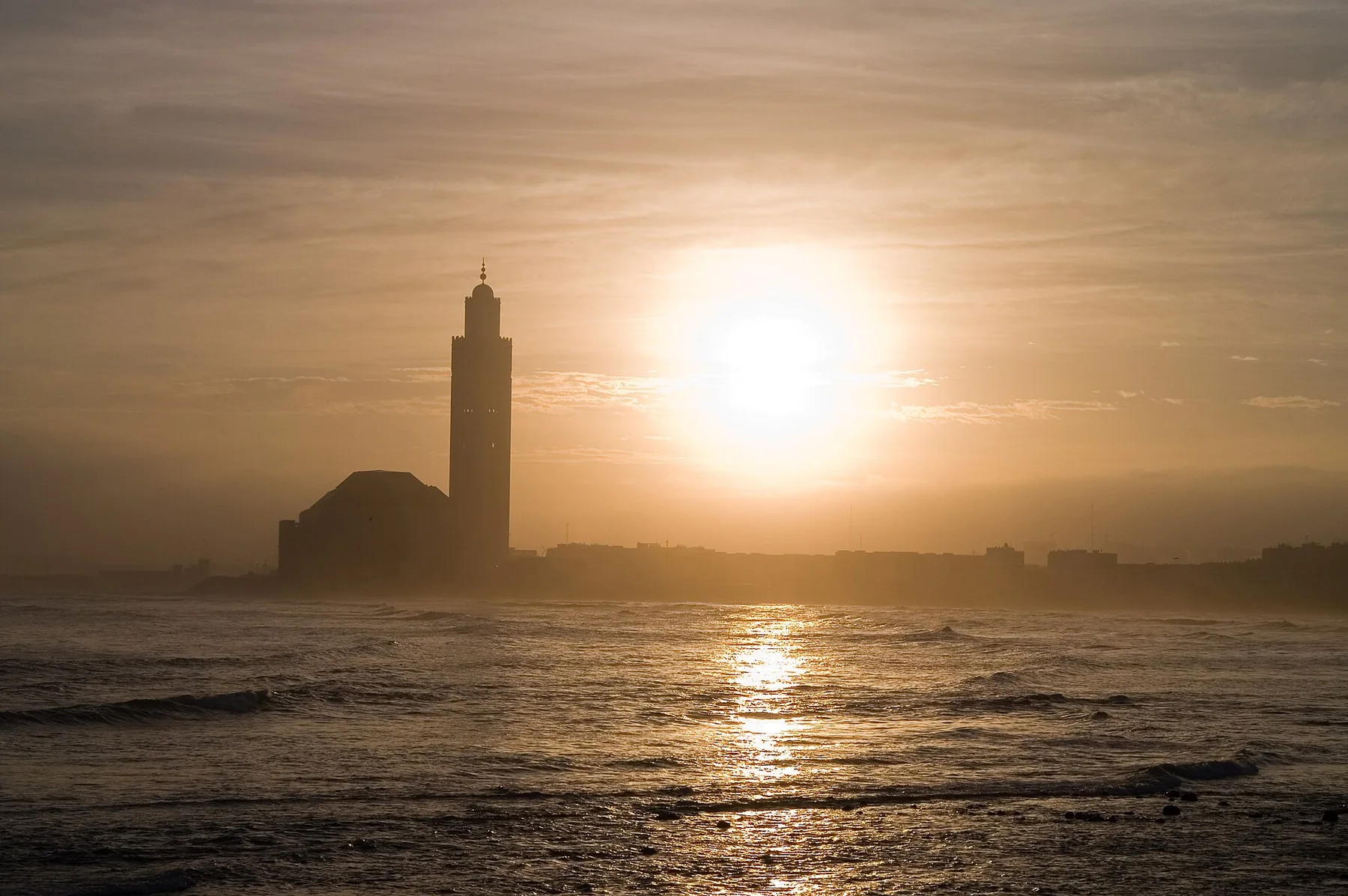
augmented reality tourism Morocco is not just a search query; it is a travel intention. Visitors want a clear cultural experience, a realistic walking rhythm and a way to understand the city without losing the pleasure of discovery. Histaria turns that need into a playable route: the phone guides, the street remains the main character, and each clue gives meaning to what the visitor is seeing.
Why augmented reality tourism Morocco matters now
Augmented reality applied to tourism works because travellers increasingly compare experiences, not only monuments. They want context at the right moment, short explanations, and the freedom to pause, take photos or change rhythm. A city quest gives structure without locking the visitor into a rigid tour.
A route designed for curious visitors and cultural operators
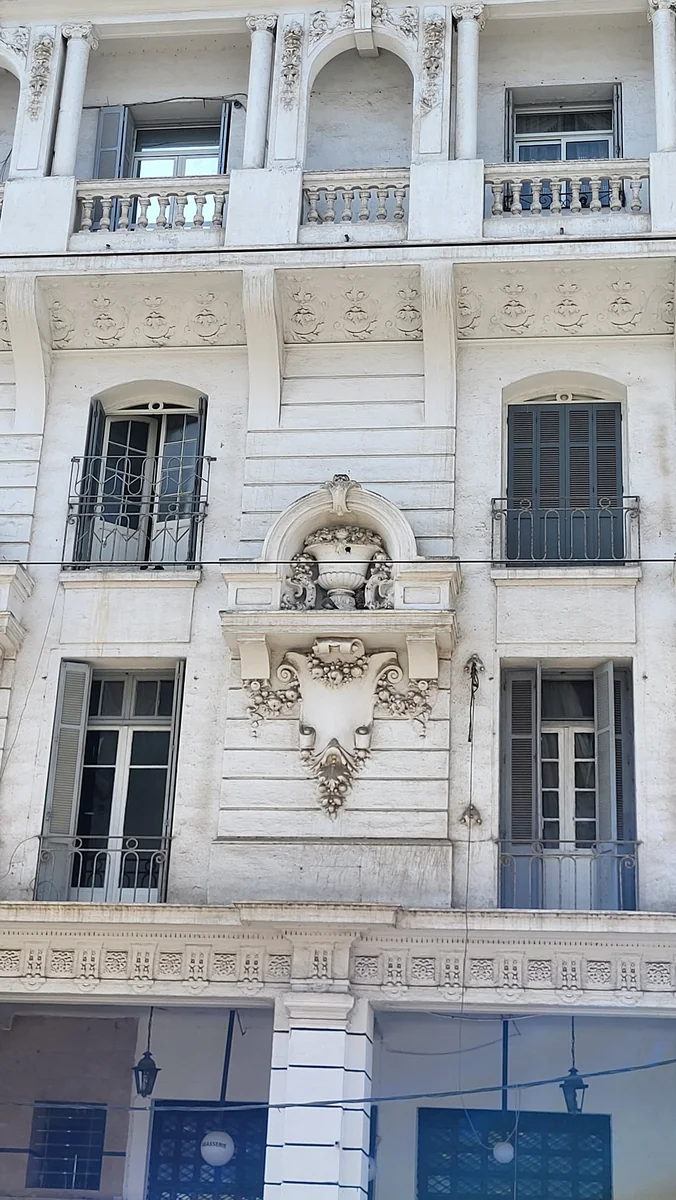
The format is useful for curious visitors and cultural operators because it breaks the visit into small missions. Instead of reading a long guide, people observe a door, a square, a craft detail or a skyline, then answer a short question. That active step makes the memory stronger.
Where the images belong in the story
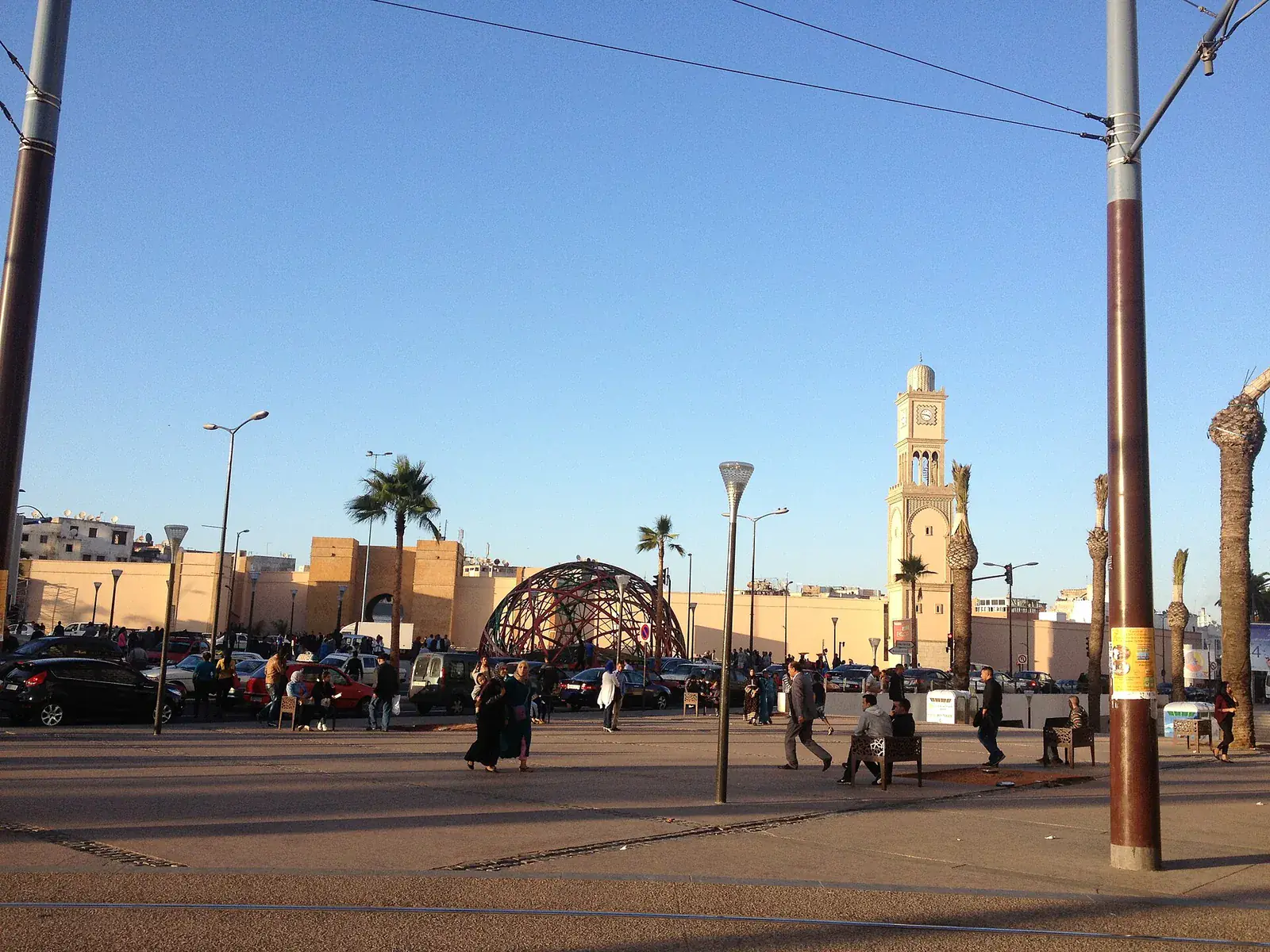
Each image in this article appears next to the paragraph it supports. The first one shows the place or visual detail behind the experience; the second one illustrates the practical moment when the visitor understands the route, the pace or the challenge.
How to keep the right pace
AR should remain punctual: scan, reveal, explain, then return to the real monument. A good cultural route should feel light: enough stops to learn, enough breathing room to enjoy the city, and clear calls to action when the visitor is ready to play.
Good AR practices
- quick scan
- short content
- clear image
- no useless gimmick
- link with the place