What to do in Marrakech? 20 must-sees and itineraries from 1 to 4 days
Medina, palaces, gardens, souks, cuisine and excursions: a verified guide to organizing Marrakech without turning your stay into a race against time.
What to do in Marrakech? Discover 20 places and experiences, 1 to 4 day itineraries, neighborhoods to group together and mistakes to avoid.
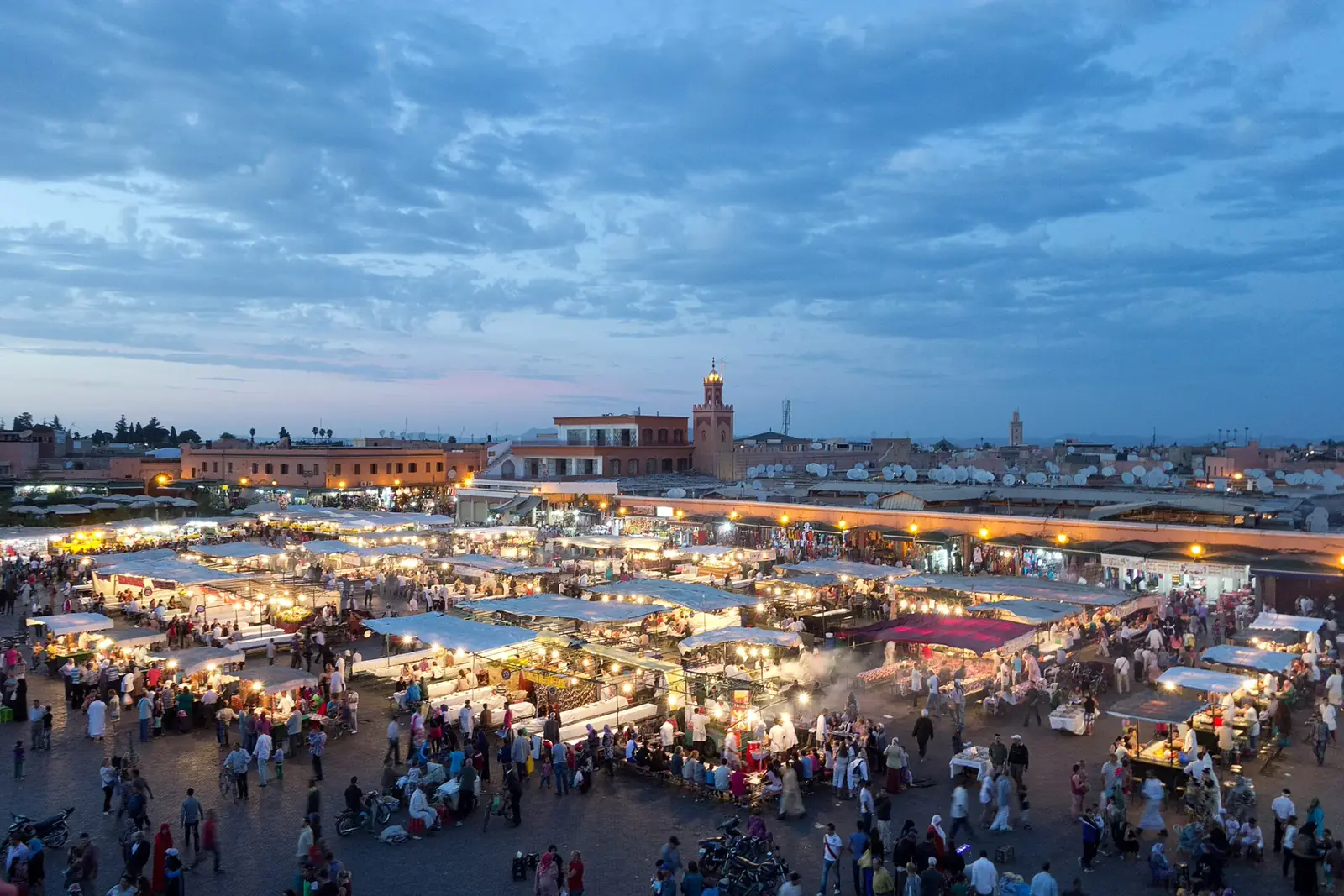
What to do in Marrakech when online lists offer fifty places without explaining their geography? The correct method is to group visits by neighborhood. The medina concentrates Jemaa el-Fna, the souks and several major monuments; Guéliz brings together gardens, museums and a modern city; excursions require a separate day. This guide is based on the Moroccan National Tourism Office, UNESCO and the official sites of the places mentioned. Schedules and prices change: check them directly before booking.
1. See Jemaa el-Fna change between day and night
Jemaa el-Fna is not just a crossing point. UNESCO describes the square as a major space for cultural exchange where musical traditions, oral histories, commerce and catering meet. Cross it once in the morning, then come back at the end of the afternoon to observe its transformation. Keep important items close to your body, ask before photographing a person, and clarify any prices before agreeing to a service.
2. Explore the souks in small loops
From the north of the square, the souks spread out into specialized streets: textiles, leather, metal, spices and everyday objects. The ONMT particularly highlights the Amazigh and Arab crafts of the Semmarine souk. A successful visit does not consist of following every GPS instruction: choose an axis, locate a door or a square, then return to a known point. Ask for permission before photographing the artisans.
3. Contemplate Koutoubia and its gardens
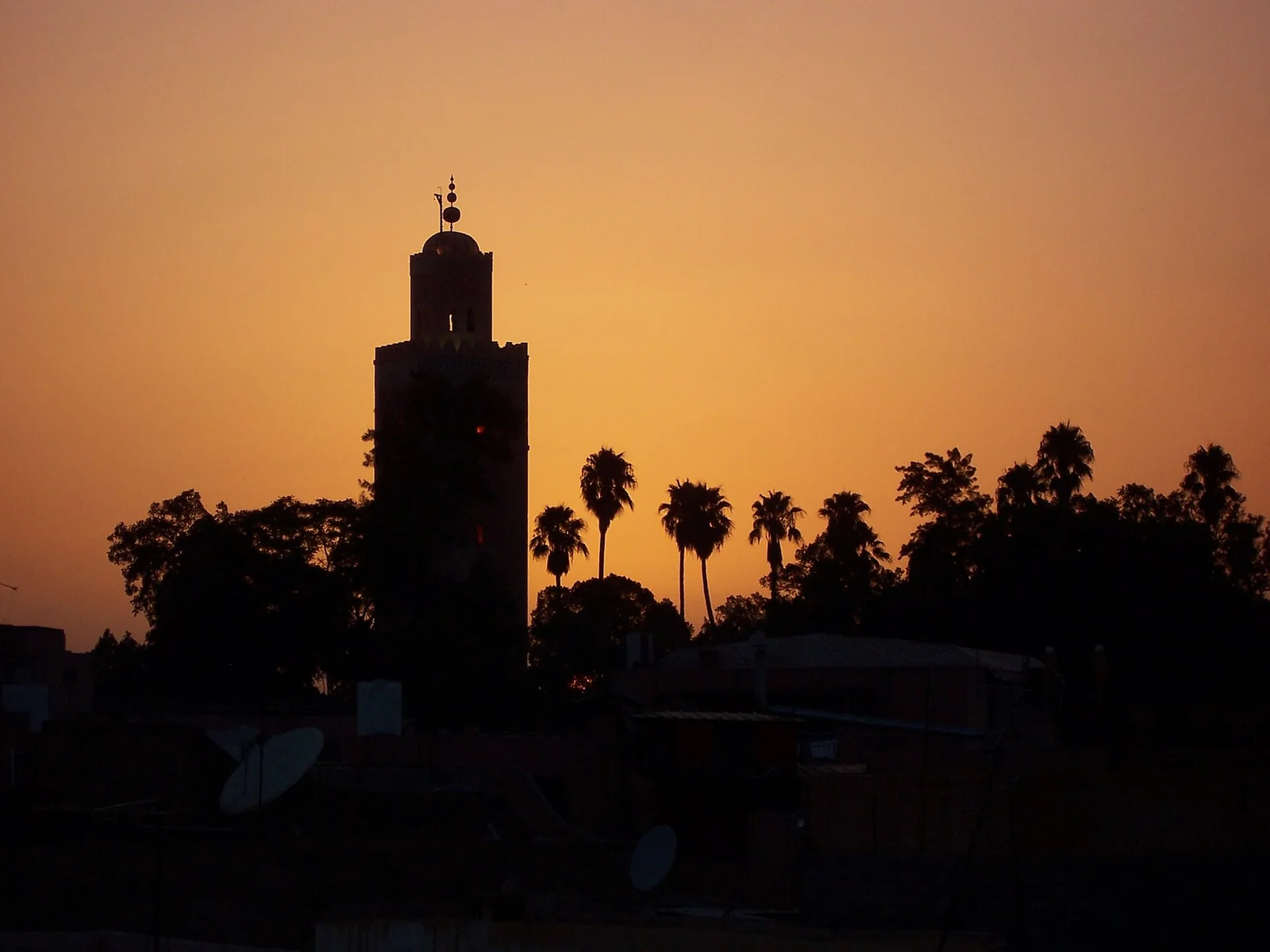
The Koutoubia minaret structures the skyline of Marrakech and serves as a landmark between the medina, Jemaa el-Fna and Avenue Mohammed VI. The mosque is among the monuments cited by UNESCO in the heritage value of the medina. Visitors can walk through the gardens and observe the exterior architecture; respect the rules for access to the place of worship displayed on site.
4. Compare the Bahia Palace and the El Badi Palace
These two palaces tell of different periods and uses. Bahia can be discovered through its courtyards, painted ceilings, zelliges and residential spaces. El Badi impresses with the scale of its ruins, its ramparts and its vast courtyards. They are close to the Kasbah district: group them with the Saadian tombs to limit the comings and goings.
5. Enter the Saadian Tombs
Near the Kasbah mosque, the Saadian tombs constitute one of the best-known funerary complexes in Marrakech. The space is more compact than the large palaces: plan a targeted visit and expect a line in front of the most decorated rooms. Sober attire and a calm demeanor suit the character of the place.
6. Observe the Ben Youssef Madrasa
The Ben Youssef Madrasa allows you to closely observe the carved wood, stucco and zellige around a central courtyard. It is easily combined with the Marrakech museum and the northern souks. UNESCO lists it among the architectural gems post-Almoravid period which enrich the medina.
7. Choose a garden according to your journey
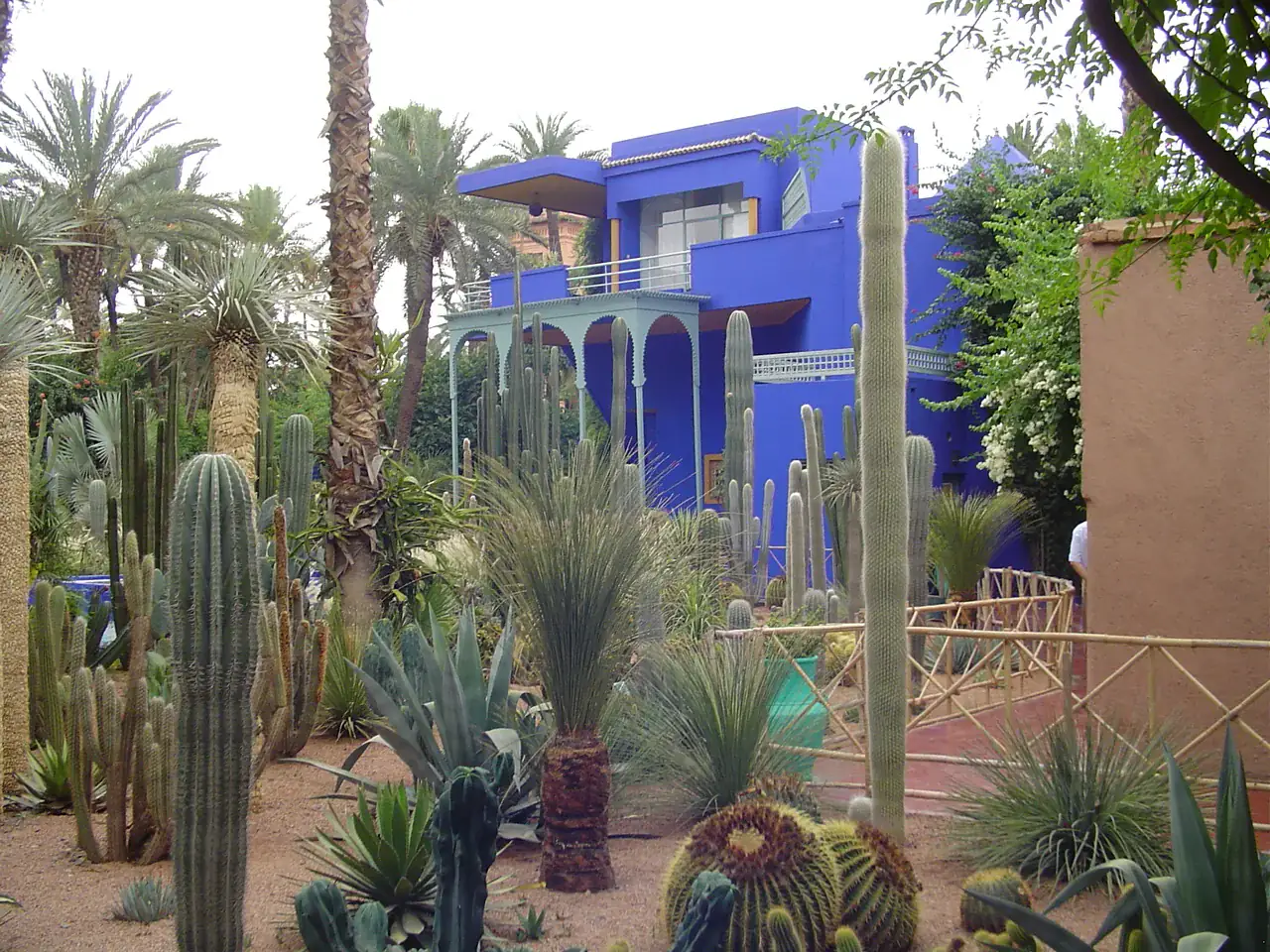
The Majorelle Garden is suitable for visitors interested in botany, color and the history of the place; its foundation specifies that the official ticket office is online. The Menara offers a vast basin and a perspective on the Atlas when visibility permits. The Arsat Moulay Abdeslam Cyber Park constitutes a green break between Koutoubia and Guéliz. Do not try to visit all three in the same morning: they do not follow the same route.
8. Discover Guéliz and the contemporary city
Guéliz shows another Marrakech: avenues, cafes, galleries, shops and 20th century architecture. The district also connects Majorelle to a quieter urban promenade. Neighboring Hivernage concentrates hotels and modern facilities. This step avoids reducing Marrakech to its medina alone.
9. Taste Marrakech cuisine methodically
Tanjia, couscous, harira, Moroccan salads and pastries appear in very different forms depending on the address. On Jemaa el-Fna, choose a clean and busy stand, ask the price before ordering, and keep an eye on what's included. In residential areas, family restaurants and markets give another interpretation of local cuisine. Allergies or restrictions must be explained clearly.
10. Plan a hammam, a terrace or a cultural experience
A traditional hammam and a hotel spa do not offer the same protocol or the same level of privacy: find out before booking. For a terrace, prioritize the view and the moment rather than a viral promise. Histaria offers another cultural experience: a walking tour where the monuments become stages for enigmas and sourced anecdotes.
20 essentials to group by area
- Heart of the medina: Jemaa el-Fna, souks, Koutoubia, Ben Youssef madrasa, Marrakech museum
- Kasbah and Mellah: Bahia palace, El Badi palace, Saadian tombs, spice market, streets of Mellah
- Gardens and modern city: Majorelle Garden, Pierre Bergé museum, Guéliz, Cyber Parc, Ménara
- Experiences: Marrakech cuisine, carefully chosen hammam, sunset terrace, Histaria cultural trail, handicrafts purchased directly
- Out of town: Ourika valley or Imlil, Agafay, Essaouira if a real day's drive is acceptable
Marrakech itinerary in 1 day
Start early with Koutoubia, cross Jemaa el-Fna which is still calm, then go up towards the souks and the Ben Youssef Madrasa. After a break, head to Bahia or El Badi — one big palace if time is limited. Return to Jemaa el-Fna before sunset. This program remains dense: delete a step rather than running.
Marrakech itinerary in 2, 3 or 4 days
- Two days: add the Kasbah, the Saadian tombs and a garden.
- Three days: dedicate half a day to Majorelle and Guéliz, then keep some free time in the medina.
- Four days: choose a single excursion consistent with the season and your travel time.
- With children: alternate between monuments, shaded breaks and short activities; avoid chaining several palaces together during the hottest hours.
Excursions: Atlas, Agafay or Essaouira?
The Atlas is suitable for mountain landscapes and villages, but road and weather conditions must be controlled. Agafay is close and arid, but it is not the Sahara of dunes. Essaouira offers the Atlantic, the ramparts and a different medina; the distance requires an early departure. Choose an excursion for its geographical reality, not for an ambiguous advertising photo.
Practical advice for better visiting
- Check timetables and tickets on official sites the day before.
- Download an offline map and note the name of the nearest door.
- Ask before photographing a person or a workshop.
- Bring water, sun protection and shoes suitable for the cobblestones.
- Keep a margin between a monument and a train, a flight or a reservation.
- Politely refuse any unrequested service and confirm prices before consumption.
The best itinerary in Marrakech is not the one that covers the most places, but the one that leaves time to understand the medina.
FAQ
What to absolutely do in Marrakech for a first visit?
Start with Jemaa el-Fna, the souks, the Koutoubia, the Bahia Palace and the Ben Youssef Madrasa. Add a garden and an additional palace if you have two or more days.
How many days does it take to visit Marrakech?
Two days allow you to see the great classics. Three days offer a more comfortable pace and a fourth day allows an excursion to the Atlas, Agafay or Essaouira.
Can you visit Marrakech on foot?
The medina is best explored on foot. Majorelle, Guéliz, Ménara and certain outlying accommodation often require a small taxi or other identified transport.
Should you reserve the monuments of Marrakech?
The rules vary. The Majorelle Garden indicates that its official tickets are sold online. For all sites, check the times and conditions on the official ticket office the day before the visit.
Is the Agafay Desert the Sahara?
No. Agafay is an arid and stony landscape near Marrakech; it does not have the large dunes of Erg Chebbi in Merzouga. The two experiences are different.